
A few months ago, a friend of mine recommended the movie Trial by Fire to me. She knows my feelings around the death penalty – which is an essential component to this movie’s storyline. She thought I would appreciate the suggestion to watch it. So, trolling through Netflix one evening I came across the title, I recalled hearing about it, so I tuned in. I didn’t realize it was a true story or a story about the death penalty until we were about halfway through the movie. By then I was fully invested in the story, in the people and in the outcome. As a person who believes in happy endings, I was shocked when the story didn’t end the way I expected. And to say it triggered my feelings would be to put it mildly.
I was angry, I was sad, I cried. Went to bed crying. Woke up in the middle of the night and again in the morning still angry, sad, crying. For days after I was distracted, on edge, irritable and indignant about the unfairness of it all. Transformed into someone who neither of us would have recognized had we met on the sidewalk somewhere. Anyone who knew me would have reasonably said (kindly, of course), “Michelle, it’s just a movie. What’s really going on?”
What was really going on? That movie, as they say, got “all up into my feelings.” It triggered every single one of them. The unhappy ones, at least: Fury. Bottomless sadness. Frustration. Outrage. Helplessness. A kind of grief that defies the dictionary. It was a rough couple days.
But were the feelings themselves bad? Actually, no. They were informative. My mother taught me this. She died suddenly when I was 17, so she had had precious little time to give me advanced life lessons.
“Michelle,” she said, “Feelings are neither good nor bad. They’re neither right nor wrong. They just are.” This lesson, simple and powerful and to the point, gave me permission to feel what I feel. Without shame. Without justification. Without apology. And now, decades later, I understand in a fresh way how much power lives in that one piece of wisdom. Especially as we travel the road of self-discovery and overcoming our past to become the person we are truly meant to be. It starts with cutting ourselves the first significant bit of grace, which is to allow the feelings, recognize them, acknowledge them and don’t apologize for them.
But Here’s the Truth Bomb…
Just because we feel something doesn’t mean we have to let it run the show. Feelings are like visitors—they knock on the door, sometimes barge right in, and they usually bring all their emotional baggage. But we don’t have to let them redecorate the living room or take over the lease.
After my emotional tailspin from that movie, I had to stop and check myself. Yes, my reaction was valid. Yes, my heart was in the right place. But also… was I going to let a movie hijack my peace for days? Was I going to let my emotional hangover sabotage my attitude, my relationships, my purpose? That’s when I remembered: I am the master of my feelings. Not the other way around.
Mastering your feelings doesn’t mean suppressing them. It means respecting them without letting them drive the damn car.
You pause.
You breathe.
You ask, “What’s this really about?”
You learn something.
Sometimes the lesson is: wow, I’m more passionate about justice than I realized. Sometimes it’s: I’m grieving something deeper than this moment. And sometimes, it’s just: I need a nap, a hug, and to stop doomscrolling Netflix.
But the magic happens in the pause. In the awareness. In the decision to choose your response, not just react on autopilot.
“Am I Nuts to Feel This Way?”
Honestly? No. You’re not nuts. You’re human. Feelings aren’t logical. They’re not polite. And they sure as hell don’t always show up in proportion to what’s happening. Sometimes they come in swinging—from places we didn’t even realize were still raw.
There’s a reason why feelings are still a little taboo to talk about (which is exactly why I picked feelings as one of the first F-words in this series). They can push us to the outer limits of what we think is rational. They can make us feel unhinged—especially when we don’t understand where they’re coming from.
That movie didn’t just make me sad. It cracked something open. A memory. A belief. A deep, unresolved sense of injustice. And that’s the thing—feelings are almost never just about what’s happening in front of you. They’re echoes. Triggers. Messages from the past we haven’t fully unpacked yet.
Sometimes someone makes a comment—totally innocent on their part—and suddenly you’re flooded with emotion. You feel small. Or judged. Or invisible. Not because of what they said, but because of what it meant to you… or what it reminded you of. That’s when you find yourself reacting way out of proportion, and even you are standing there wondering, “What the hell just happened?”
Here’s the deal: that doesn’t mean you’re broken. It means you’re alive. It means your feelings are trying to tell you something. So maybe you lost it at the supermarket deli counter, maybe you stormed out of a meeting, snapped at your kid, or cried in your car for no reason you could explain. Guess what? You’re not crazy. You’re just… human. Welcome to the club.
The goal isn’t to never lose it. It’s to understand it. To feel it fully, learn what it’s pointing to, and use that insight to keep growing. And when you do “get all up in your feelings” give yourself grace. Feelings aren’t flaws. They’re signals. And when we learn to pay attention to them they can become some of the best damn guides we’ve got.
You Are the Ringmaster
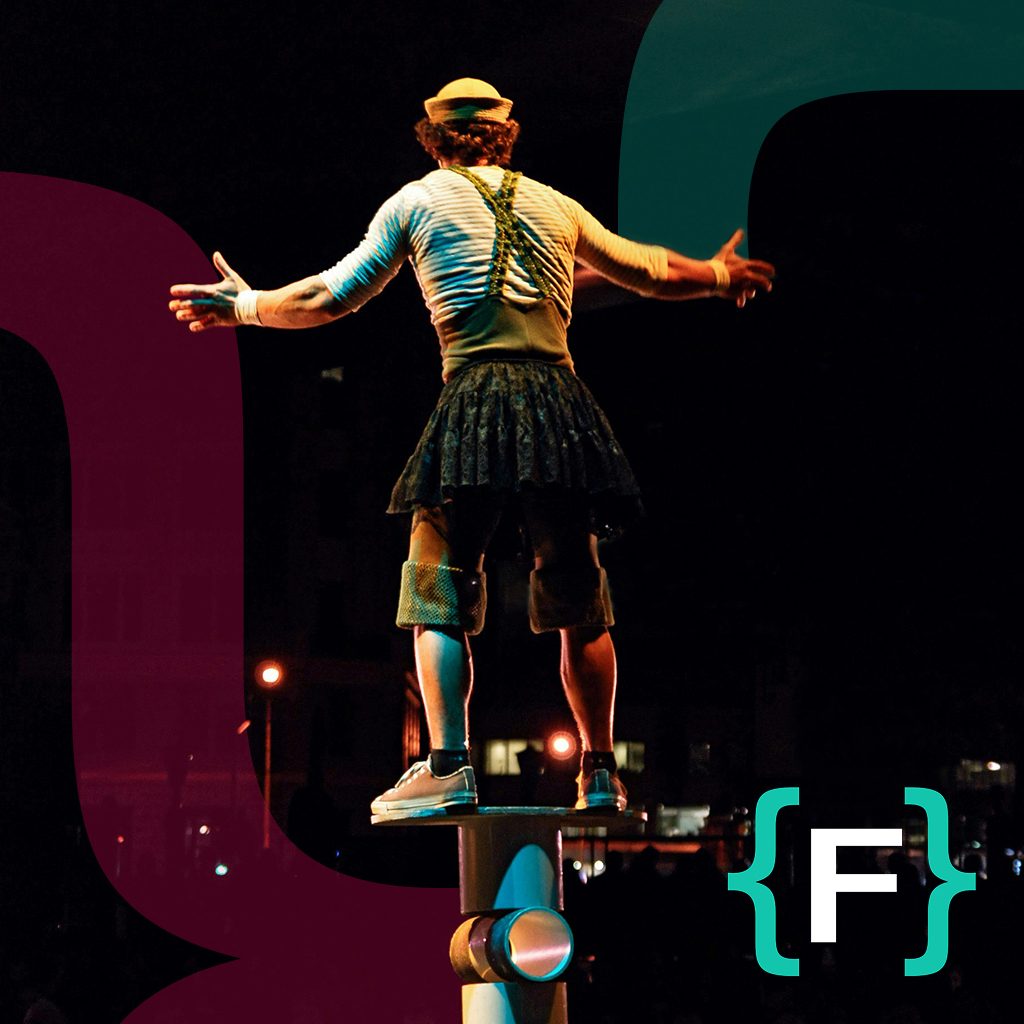
Life is a full-blown three-ring circus. Every day, you’ve got something flying through the air, something roaring in the corner, and probably a clown tripping over itself in the middle of it all. That’s your emotional landscape—loud, busy, unpredictable, and sometimes completely off the rails.
The clowns? Those are the feelings you’re embarrassed to admit. The ones that make you feel silly for even having them—jealousy, insecurity, irrational guilt.
The acrobats? High-stakes emotions. Fear, grief, vulnerability. They require careful balance—one misstep, and something important could come crashing down.
And the lions? Oh, the lions. Rage. Despair. Deep grief. The untamed stuff with sharp teeth that we try to keep in cages but that sometimes breaks loose anyway. (And let’s be real—sometimes we don’t want to tame them. We want to roar too.)
So what do you do with all that activity going on? You can’t shut the show down. This is your life. It’s designed to be busy, frenetic, thrilling, scary, exhilarating, flashy, and goofy. And it’s all going on all at the same time.
But here’s the thing: you’re not just a spectator.
You’re the one in the red cutaway coat, shiny black boots and impressive top hat. It’s your circus. You get to decide what takes center stage. Which feeling gets the spotlight, which gets benched, and which one you’re just going to let pace in the background for a bit.
You may not be able to control what feelings show up—but you are in charge of what you do with them.
You can acknowledge the chaos without letting it consume you. You can listen without being led. You can feel without falling apart.
Because it’s your circus.
And you are the ringmaster.